This is an essay of 710 words on the writing style of Martha Gellhorn with three of her works as examples.
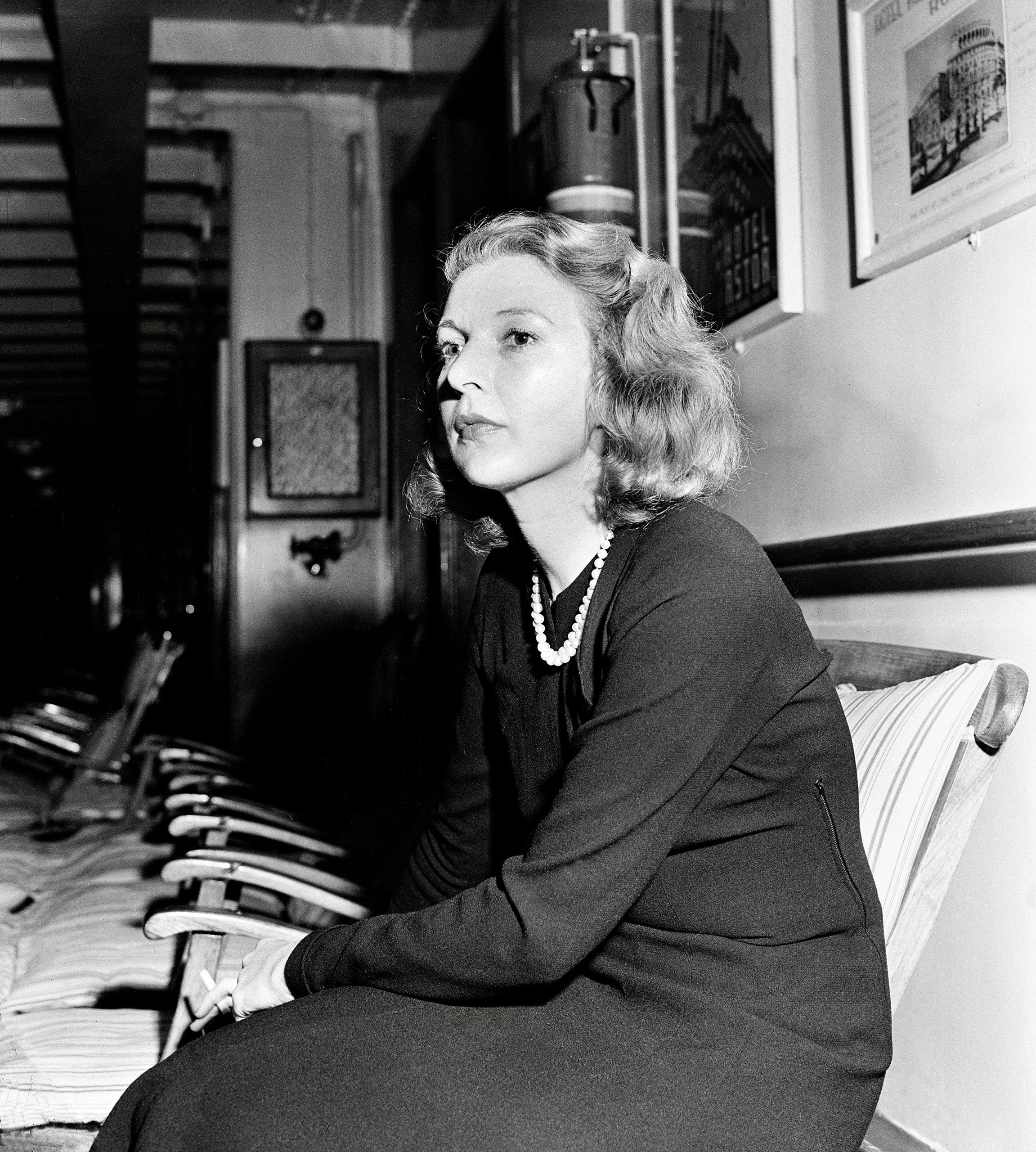
© AP / Shutterstock
Martha Gellhorn was a war correspondent who is best known for her unconventional way of writing. Gellhorn’s writing style is characterized by her use of vivid diction and powerful imagery, which bring to life the horrors and complexities of war. Through her precise choice of words and her ability to paint vivid pictures with her writing, Gellhorn not only reports on the events of the war but also makes it more relatable and impactful for readers by adding her opinion and human elements.
In “The War in Vietnam,” Martha Gellhorn uses imagery and precise diction to convey the harsh realities of war and its devastating impact on individuals. She describes the silence of the Negev desert as “unpleasant” and the Arab attacks on Israel as “mingy miserable hit-and-run murder operations,” imbuing the war with a sense of ugliness and suffering. Gellhorn’s use of the word “unpleasant” to describe the silence of the desert creates a vivid image of the eerie and unsettling nature of the war-torn landscape, while her description of the attacks as “murder operations” highlights the violence and brutality of the conflict. Additionally, Gellhorn’s description of her experience riding to an airfield and the later events of the death of an Israeli Major and his second-in-command on the same road create a sense of fear and danger on the battlefield. Through her use of imagery and diction, Gellhorn is able to convey the intensity and horror of war and the impact it has on those caught in its midst.
In “Open Arms for the Vietcong”, Martha Gellhorn uses evocative imagery and diction to highlight the absurdity and inefficiency of the “Open Arms” program. She describes the program’s administration, including “the committees, the representatives; the affiliated organizations and their representatives; and the resultant interminable reports, in four to forty copies, circulated among people already drowning in reports,” using phrases like “a permanent if in this war”, “mind boggles”, and “grotesquely top-heavy” to convey her skepticism and disbelief. Gellhorn’s use of vivid imagery, such as her description of the “torture by boredom” of the re-indoctrination lectures, brings to life the experience of the defectors and their treatment by the program. Additionally, her use of descriptions such as “torture by boredom” reveal her cynicism towards the program and its methods. Through her use of imagery and diction, Gellhorn is able to convey her skepticism and critique of the “Open Arms” program and its ineffectiveness in addressing the root causes of the conflict in Vietnam.
In “A New Kind of War,” Martha Gellhorn uses vivid imagery and precise diction to convey the devastating impact of the Vietnam War on the Vietnamese people and the efforts of American soldiers to provide aid and support. She describes the chaotic and overcrowded conditions in Qui Nhon: the tent cities and refugee shacks that have sprung up in the wake of the war and the “claptrap bars and laundries and shops” that cater to American soldiers. Gellhorn’s descriptions like “claptrap” and “suffocated in heat like glue” create a sense of the disorganized and unpleasant nature of the war-torn town, while her description of the crowded and poorly-equipped hospital ward paints a vivid picture of the suffering of the wounded peasants. Additionally, Gellhorn’s use of phrases like “huddled in the town limits” and “uprooted peasants” highlights the displacement and vulnerability of the Vietnamese people in the face of the conflict. Through her imagery and diction, Gellhorn is able to bring to life the harsh realities of the Vietnam War and the toll it takes on those caught in its midst.
In conclusion, Martha Gellhorn’s writing style in her stories about warfare is characterized by her use of vivid diction and powerful imagery. Through her precise choice of words and her ability to paint vivid pictures with her writing, Gellhorn brings a human element to the stories of the war, making them more relatable and impactful for her readers. Her use of language reveals her unique perspective on the events she witnesses, conveying the horrors and complexities of war, as well as the waste and futility of conflict. Gellhorn’s writing demonstrates the power of language to bring to life the experiences of those impacted by war and to reveal the true impact of conflict on individuals and society.